
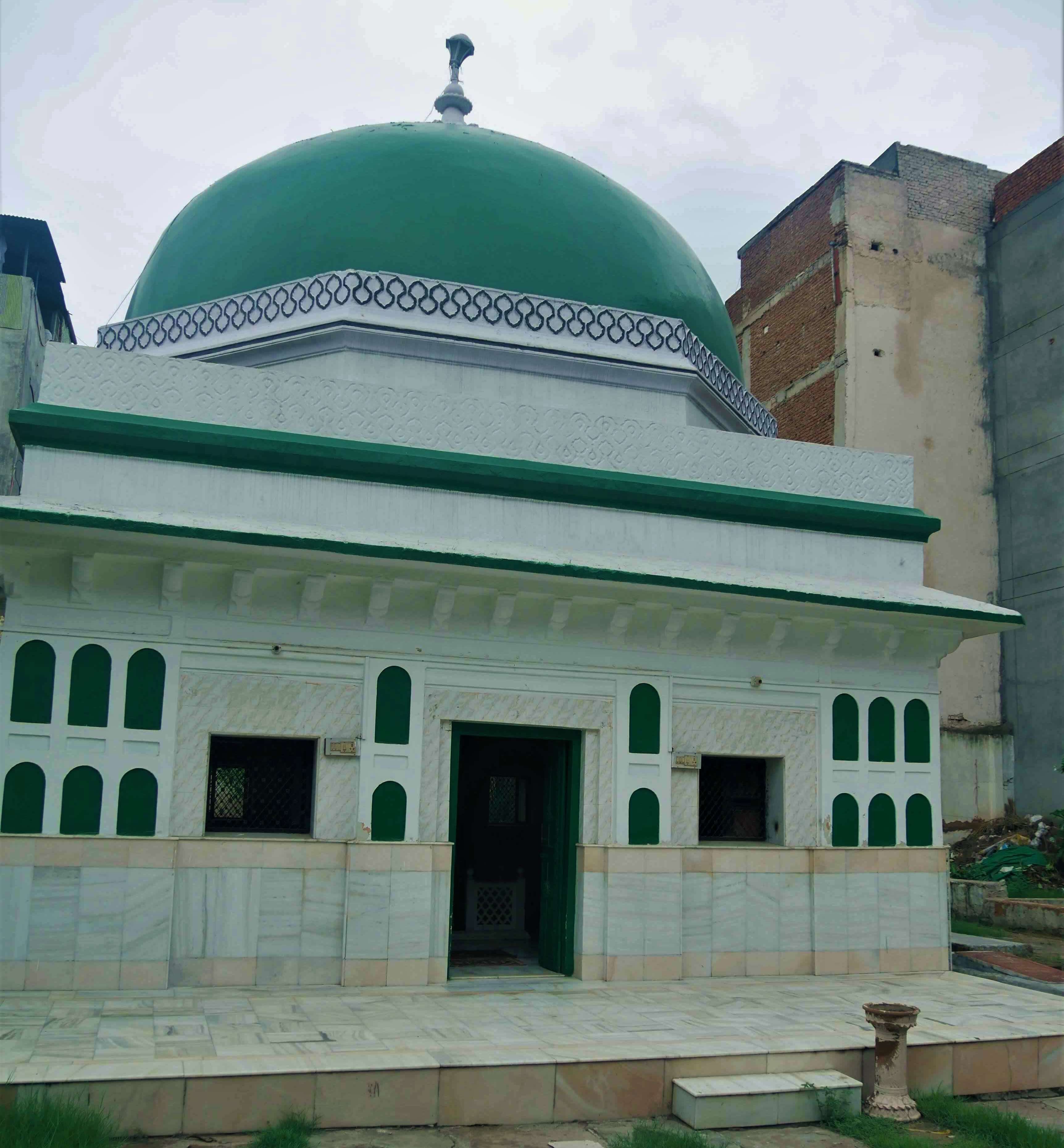
Abdul Haq Muhaddis Dehlavi Dargah
1. Overview & Historical Background
The Dargah of Sheikh Abdul Haq Muhaddith Dehlavi, located in Islam Colony, Mehrauli, serves as the final resting place of one of Mughal India's most distinguished Islamic theologians, historians, and Sufi scholars.
- Subject: Sheikh Abdul Haq Muhaddith Dehlavi (1551–1642 CE / 958–1052 AH)
- Location: Islam Colony, Mehrauli, New Delhi (adjacent to the eastern bank of Hauz-i-Shamsi)
- Architectural Period: Late 17th-century Late Mughal / Delhi Ridge vernacular architecture
- Significance: Known as Imam-ul-Muhaddisin ("Leader of Hadith Scholars"), Sheikh Abdul Haq established the systematic study of Hadith (prophetic traditions) in Northern India, bridging traditional Islamic sciences with South Asian Sufism.
2. Life and Intellectual Journey
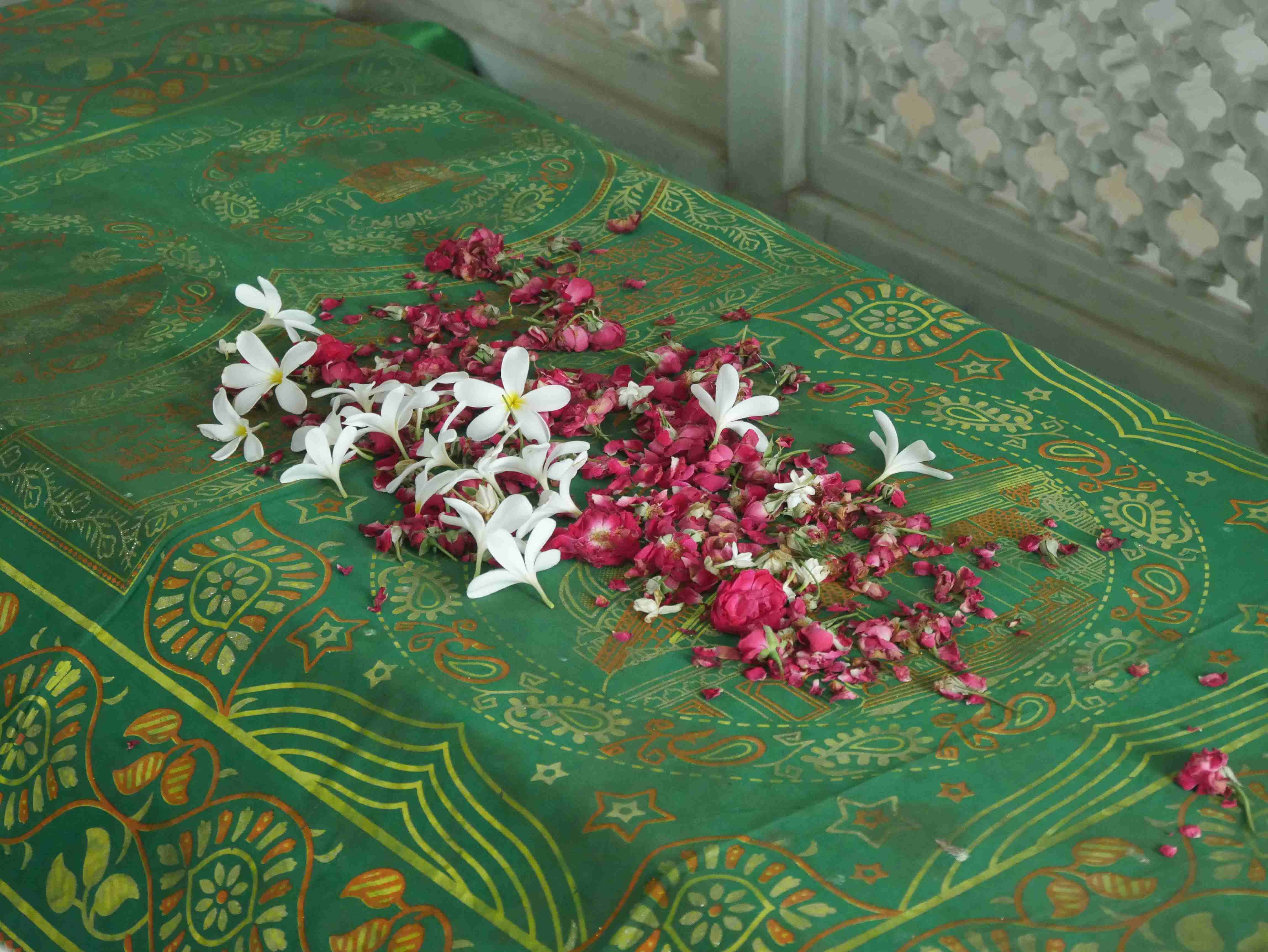
Sheikh Abdul Haq was born into a family of scholars claiming descent from Bukhara. His early education was guided by his father, Sheikh Saifuddin Qaderi.
- Early Mastery: By age 22, he mastered traditional Islamic sciences, including Arabic grammar, rhetoric, logic, and Islamic jurisprudence (Fiqh).
- Sojourn in the Hijaz (1587–1590 CE): Seeking spiritual and academic revival away from imperial court politics, he traveled to Mecca and Medina. Under the tutelage of Sheikh Abdul Wahab Muttaqi, he earned formal certification (Ijazah) in Hadith sciences and initiation into the Qadiriyya Sufi order.
- Return to Delhi: In 1590 CE, he established Madrasa-i-Mui'zziya (or Madrasa Haqqa) near Hauz-i-Shamsi in Mehrauli, where he taught for over 50 years.
3. Major Scholarly Works
Sheikh Abdul Haq authored over 100 treatises in Persian and Arabic:
- Akhbar al-Akhyar fi Abrar al-Abrar: A definitive biographical directory of 255 South Asian Sufi saints from the 12th century through his lifetime.
- Madarij an-Nubuwwah: A comprehensive five-volume biography (Seerah) of Prophet Muhammad written in Persian.
- Ashi'at-ul-Lama'at & Lama'at al-Tanqih: Exhaustive Persian and Arabic commentaries on the Hadith compilation Mishkat al-Masabih.
- Tarikh-i-Haqqi: A general history of South Asia from the reign of Mu'izz al-Din Muhammad Ghori through the reign of Emperor Akbar.
- Maktubat (Epistles): Formal correspondence addressed to Mughal nobility and scholars regarding the harmony between Islamic law (Shariah) and Sufi spirituality (Tariqah).
4. Relationship with the Mughal Court
Sheikh Abdul Haq navigated three Mughal imperial reigns while maintaining principled independence:
- Emperor Akbar: He stood opposed to court heterodoxies such as Din-i-Ilahi, choosing voluntary exile to the Hijaz in 1587 CE as a form of protest.
- Emperor Jahangir: Summoned to court in 1619 CE, he earned deep respect from Jahangir, who praised his scholarship and detachment from worldly wealth in the Tuzk-e-Jahangiri.
- Emperor Shah Jahan: Honored as a premier scholar of Delhi, receiving support for educational activities from senior nobles like Nawab Murtaza Khan (Sheikh Farid Bokhari).
5. Architectural Analysis of the Dargah
The tomb features classic Indo-Persian late-Mughal architectural elements:
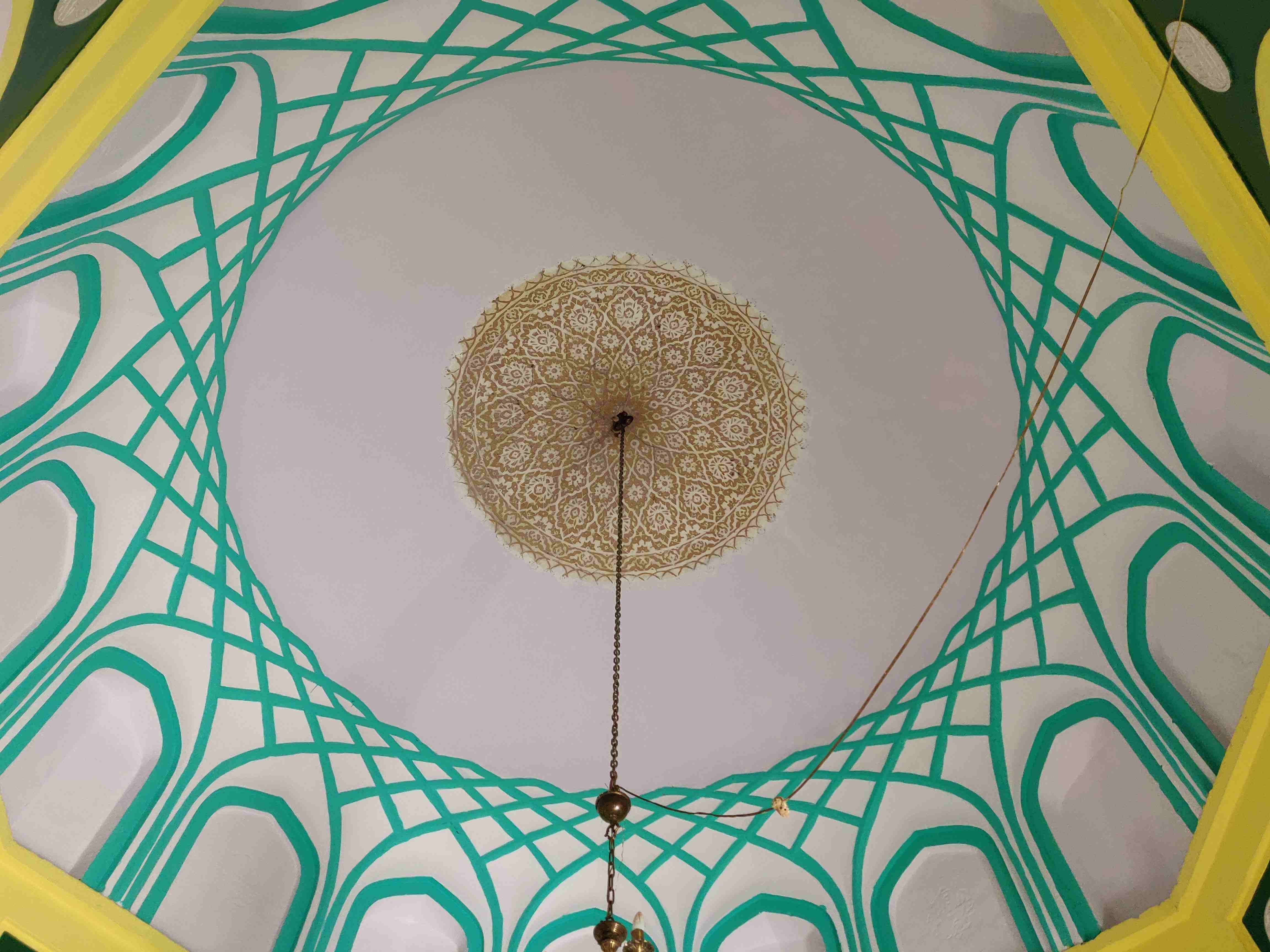
- Layout & Elevation: Built on a compact square plan with interior squinch arches across corner walls that transition the base to a circular octagonal drum overhead.
- Dome & Roof Finials: Crowned with a bulbous onion dome terminating in an inverted lotus motif (padmaban) and an iron finial. Stone-supported overhang eaves (chajjas) line the perimeter.
- Masonry & Materials: Originally constructed using local gray quartzite rubble and slender kiln-burnt lakhori bricks bonded with lime mortar. Modern community-led restorations have added tile flooring, marble cladding along the dado, and fresh paint finishes.
6. Spatial Setting & Living Traditions
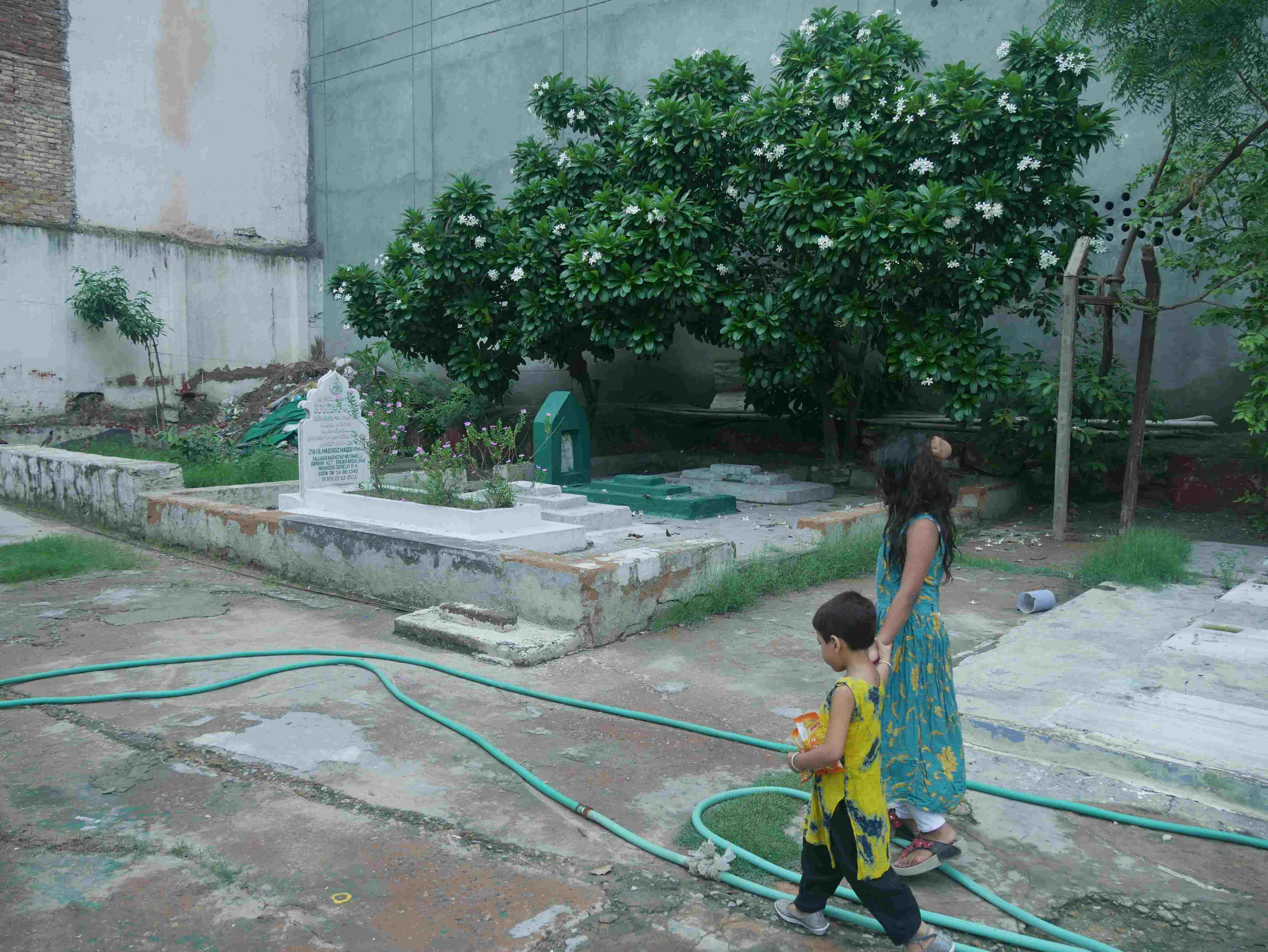
- Local Context: Situated along Talaab Lane in Islam Colony, Mehrauli, adjacent to the historic 13th-century Hauz-i-Shamsi reservoir built by Sultan Iltutmish.
- Courtyard Burials: The outer open-air courtyard (sehanchaman) contains the graves of his family members, including his son and intellectual successor, Sheikh Nurul Haq.
- Annual Commemoration: The annual Urs is celebrated on the 21st of Rabi al-Thani according to the Islamic lunar calendar, bringing together scholars, devotees, and local residents for recitations, discussions, and devotional Qawwali.
LOCATION