
Blooming Unity: The Story of Phool Walon Ki Sair in Historic Mehrauli.
By Ajaz ·
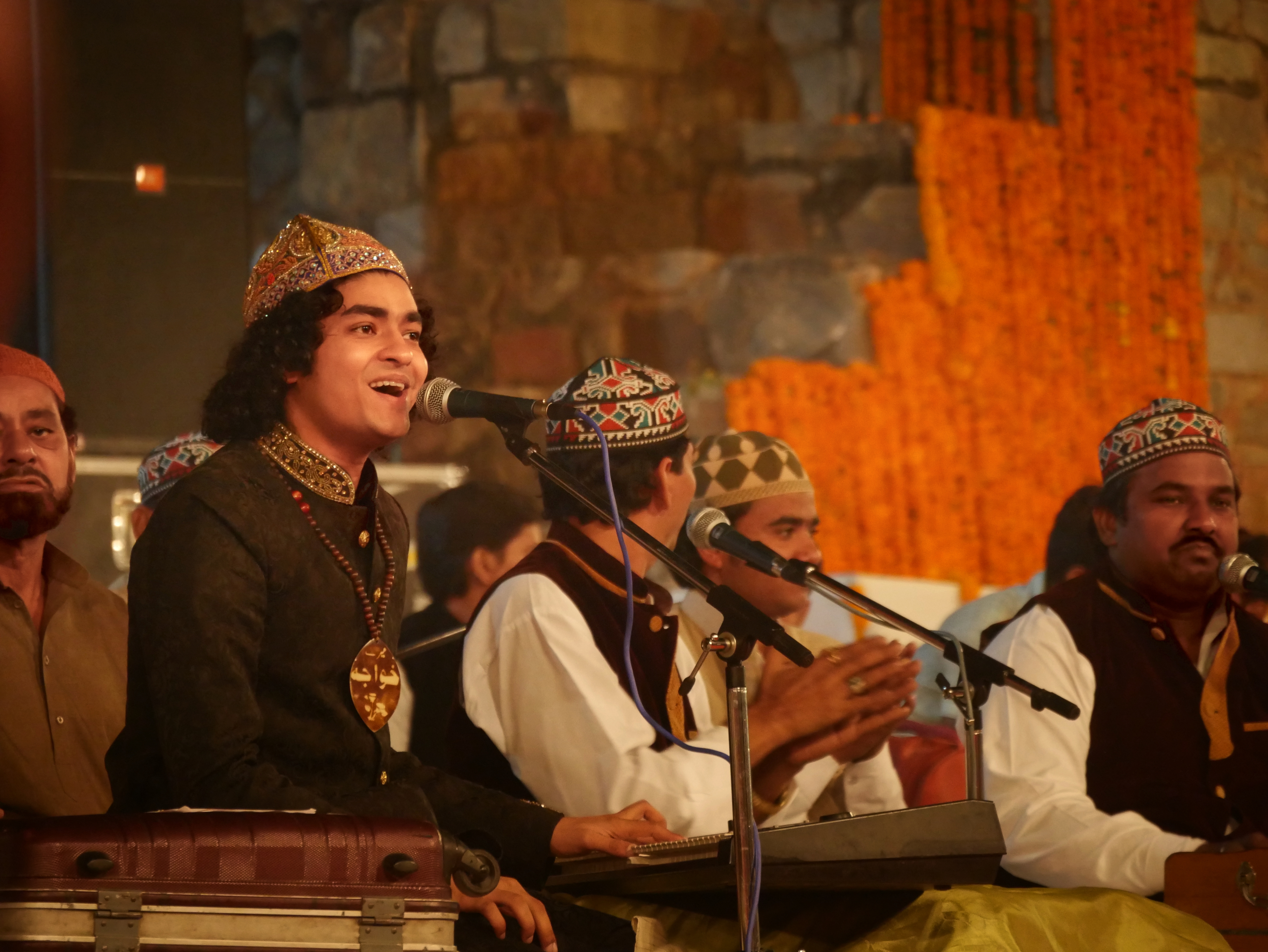
Every year following the monsoon, the ancient lanes of Mehrauli transform into a canvas of vibrant colors and fragrance. The air grows heavy with marigolds and roses, accompanied by the resonant melodies of the shehnai. This is Phool Walon Ki Sair (literally, "The Procession of Flower Sellers"), also known as Sair-e-Gul Faroshan—a three-day festival celebrated in Delhi’s oldest continuously inhabited neighborhood that stands as one of India's most profound symbols of Ganga-Jamuni Tehzeeb (syncretic cultural harmony).
A Royal Vow: The Origins (1812)
The origins of the festival trace back to 1812 during the reign of the 19th Mughal Emperor, Akbar Shah II. The Emperor favoured his younger son, Mirza Jahangir, over his eldest, Mirza Abu Zafar (who later became Bahadur Shah Zafar).
Mirza Jahangir’s reckless temperament led him into a fierce dispute with the British Resident, Sir Archibald Seton. In a moment of anger at the Red Fort, the prince fired a pistol at Seton, narrowly missing him. Outraged, the British exiled Mirza Jahangir to Allahabad (present-day Prayagraj).
Devastated by her son's exile, his mother, Queen Mumtaz Mahal Begum, made a solemn vow (mannat): if her son was pardoned and allowed to return to Delhi, she would walk from the Red Fort to the shrine of the Sufi saint Hazrat Khwaja Qutbuddin Bakhtiar Kaki in Mehrauli to offer a woven canopy of flowers (chaddar).
When the British relented years later and Mirza Jahangir returned, the Queen fulfilled her promise. The court moved to Mehrauli for a week of rejoicing. Recognizing the diverse fabric of the city, the local flower sellers (flower artisans) crafted giant floral fans (Pankhas) and offered them not only at the Sufi shrine but also at the ancient Yogmaya Temple nearby. Impressed by the communal warmth, Emperor Akbar Shah II declared that the procession would become an annual tradition.
The Twin Shrines of Mehrauli
What makes Phool Walon Ki Sair extraordinary is its strict adherence to shared devotion across religious lines. During the procession, massive Pankhas—intricately woven frames adorned with marigolds, roses, and jasmine—are paraded through the bazaar of Mehrauli.
The procession makes two essential stops:
The Dargah of Hazrat Khwaja Qutbuddin Bakhtiar Kaki: A floral chaddar and a pankha are offered at the resting place of the 13th-century Chishti Sufi saint, who was the disciple of Khwaja Moinuddin Chishti of Ajmer.
The Yogmaya Temple: A matching floral pankha is carried to the sacred shrine of Goddess Yogmaya, believed to be one of the oldest surviving temples in Delhi, dating back to the Mahabharata era.
Jahaz Mahal and the Celebrations
The festivities are anchored around Jahaz Mahal ("Ship Palace"), the 15th-century Lodi-era monument sitting on the edge of the historic Hauz-e-Shamsi reservoir.
Historically, the Mughal emperors and their courtiers stayed at Jahaz Mahal during the festival week. Today, it serves as the primary stage for cultural performances. Artisans and performers from states across India gather to showcase classical dances, folk music, and Qawwali under the autumn skies, culminating in the formal presentation of floral fans to local civic authorities and dignitaries.
Ban and Revival
The continuity of Phool Walon Ki Sair was broken during the British Raj. In 1942, amidst the intensity of the Quit India Movement, the British administration banned the festival in an effort to curb public gatherings and weaken Hindu-Muslim unity. The silence lasted two decades until 1962, when Prime Minister Jawaharlal Nehru recognized the historical value of the festival for a newly independent India. Nehru revived the tradition under the management of the Anjuman Sair-e-Gul Faroshan society. Since then, the festival has been held annually without interruption.
Phool Walon Ki Sair remains a reminder that Mehrauli is defined not just by stone and mortar, but by its living traditions of shared heritage.