
The First Red Fort: Lal Kot and the Dawn of Medieval Delhi.
By Ajaz. ·
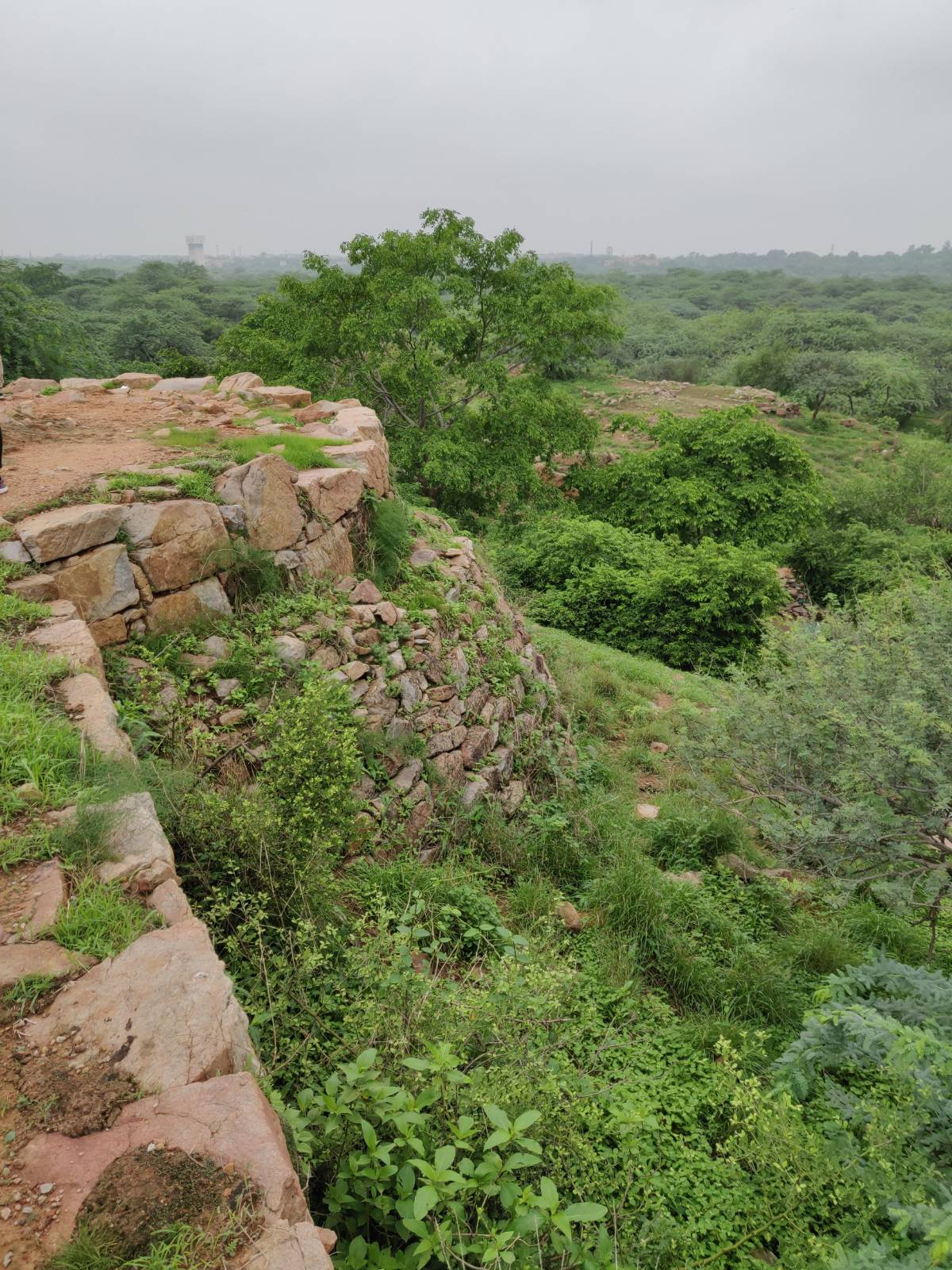
When we speak of Delhi’s historical monuments, our minds instantly drift to the soaring sandstone of the Qutub Minar or the pristine domes of Humayun's Tomb. Yet, tucked away inside the dense urban forest canopy of South Delhi lies a massive, sprawling skeleton of earth and stone. It belongs to Lal Kot—literally translating to the "Red Fort"—the true foundational seed of the "Seven Cities of Delhi".
1. The Genesis: The Tomar Rajputs and Dhilli (8th – 11th Century CE)
While ancient legends link Delhi to the mythical Indraprastha from the Mahabharata epic, the concrete, archaeologically verifiable history of medieval Delhi begins in the early Middle Ages with the Tomar dynasty.
• The Legend of Anangpal: Around 731 CE, a Tomar Rajput king named Anangpal I established a settlement in this region. However, it was his descendant, Anangpal II, who left a permanent architectural stamp around 1052 CE by building Lal Kot.
• Choosing Mehrauli: The location was chosen intentionally. Nestled safely on the rugged spurs of the ancient Aravalli Ridge, Mehrauli offered natural defensive elevations and strategic high ground against external incursions.
• The Iron Pillar: To consecrate his new capital city, Anangpal II is credited with moving the famous, rust-resistant 4th-century Iron Pillar (originally forged during the Gupta Empire) from its original location (likely Central India) to his citadel in Mehrauli. It stands today as the central focal point inside the nearby Qutb Complex.
2. Expansion into Qila Rai Pithora: The Chauhan Era
By the mid-12th century, the political scales shifted. The Chauhan Rajputs of Ajmer, led by Vigraharaja IV, annexed Delhi from the Tomars. The most legendary figure of this line, Prithviraj Chauhan (Prithviraj III), recognized the tactical significance of Lal Kot.
Facing growing threats of invasion from the northwest, Prithviraj drastically expanded the existing Tomar fortress. He built massive, outer earthen and stone walls that wrapped around the original citadel, creating a heavily fortified city renamed Qila Rai Pithora. The walls extended for over six kilometers, studded with monumental gates and towering semicircular bastions to repel cavalry assaults.
3. The Fall and Transformation: The Delhi Sultanate (1192 CE onwards)
The year 1192 CE completely disrupted the geopolitical landscape of the Indian subcontinent. At the Second Battle of Tarain, the Ghurid invader Muhammad of Ghor defeated Prithviraj Chauhan.
Muhammad's military commander, a former slave named Qutbuddin Aibak, marched into Delhi and captured Qila Rai Pithora. Instead of abandoning the Rajput city, the newly established Mamluk (Slave) Dynasty adapted it:
• The Heart of the Empire: Lal Kot became the political and administrative headquarters of the newborn Delhi Sultanate.
• Architectural Recycling: In a dramatic display of political dominance, temple complexes within the fort walls were dismantled. Their beautifully carved stone pillars were reused to erect the Quwwat-ul-Islam Mosque (The Might of Islam).
• The Minar: Right next to it, Aibak commenced construction on the base of the Qutub Minar in 1199 CE—a soaring tower of victory designed to be seen from miles across the plains.
As subsequent Islamic dynasties took over, the capital gradually drifted into newer settlements (Siri, Tughlaqabad, Jahanpanah, and Firozabad). Yet, Mehrauli remained a revered spiritual and residential hub for centuries, largely due to the presence of Sufi shrines like that of Khwaja Qutbuddin Bakhtiyar Kaki.
Walk Lal Kot With Us Today at Project Mehrauli!
History shouldn't just be read from a textbook or viewed from behind a screen—it is meant to be walked, breathed, and experienced firsthand. The rugged stone ramparts and hidden ruins captured in this photo are waiting to be explored, and we want to take you there.
At Project Mehrauli, we peel back the centuries of urban growth to show you the raw foundational stones of Delhi. Our immersive guided walks bridge the gap between academic history and hands-on exploration.