
The Price of Betrayal: Inside Mehrauli’s Labyrinth of Royalty and Revenge.
By Ajaz ·
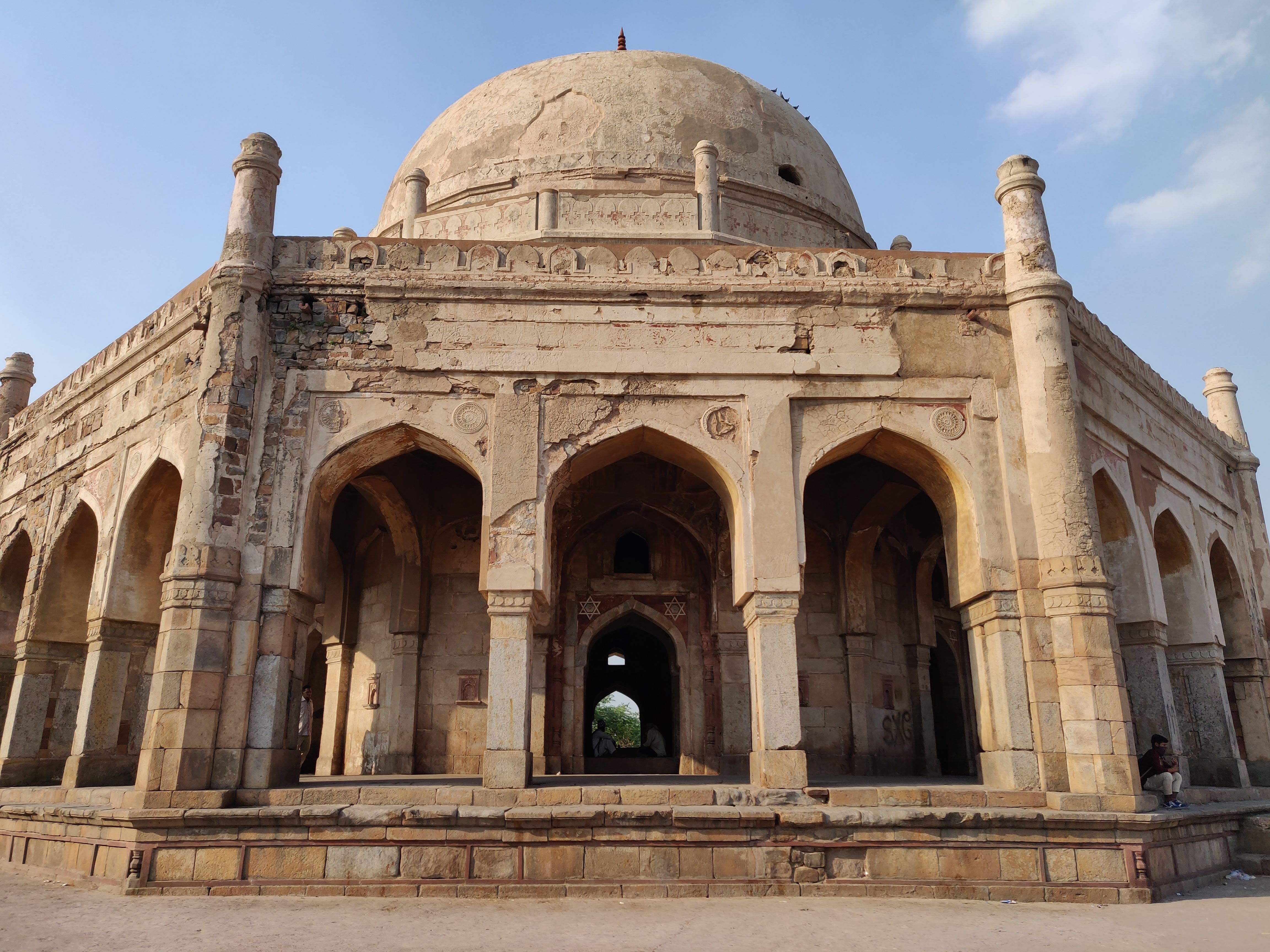
Dominating the chaotic skyline of the Mehrauli bazaar sits a colossal, octagonal sandstone structure known locally as Bhool Bhulaiya. To the casual passerby, it looks like just another ancient dome in a city filled with them. But step closer, and you are standing before Adam Khan’s Tomb, a 16th-century monument that holds a dark tale of jealousy, royal execution, and a labyrinth designed to confuse the living.
Here is the story behind one of South Delhi's most striking and mysterious historical monuments.
The Dark History: A Story of Royal Blood and Fury.
The grand structure was built in 1562 by the Mughal Emperor Akbar, but it wasn't built out of celebration—it was born from a brutal tragedy.
The tomb houses Adam Khan (Adham Khan), Akbar’s foster brother and a powerful general in the Mughal army. Adam Khan was the son of Maham Anga, Akbar’s highly influential wet nurse. Because of this close family bond, Adam Khan grew arrogant and deeply envious of Akbar’s favorite Prime Minister, Ataga Khan.
In a fit of blind rage during court hours, Adam Khan assassinated Ataga Khan. When a furious Emperor Akbar confronted him, Adam Khan foolishly tried to attack the Emperor himself.
Akbar’s retribution was swift and merciless:
1. He ordered Adam Khan to be defenestrated (thrown down) from the high ramparts of the Agra Fort.
2. Remarkably, Adam Khan survived the first fall.
3. Akbar ordered him dragged back up and thrown down a second time, which killed him instantly.
Grief-stricken, his mother Maham Anga passed away just forty days later. Akbar built this massive octagonal tomb in Mehrauli to bury them both, intentionally placing it away from the imperial graveyard in Agra to signify their fall from grace.
Why is it Called "Bhool Bhulaiya"?
The term Bhool Bhulaiya translates directly to "The Labyrinth" or "The Maze."
Unlike traditional rectangular Mughal tombs, this structure was built in an uncommon octagonal style featuring thick, fortress-like walls.
Inside the massive stone pillars and corridors, architects built a network of narrow, winding, and interconnected passages.
If you walk through the upper corridors without a guide, the repetitive arches and identical entryways can quickly disorient you. Local folklore claims that people who wandered into the upper galleries without taking proper care would easily get lost in the maze of shadows—giving the monument its permanent local nickname.
What to Look Out For When You Visit
• The Octagonal Architecture: Notice the distinct lack of typical delicate Mughal carvings. The tomb feels heavy, imposing, and defensive, built on the ancient walls of the Lal Kot citadel.
• The Interlocking Arches: Stand under the main dome and look at the geometry of the corridors. The way the light pierces through the arches creates a stunning, moody play of light and shadow—a dream for travel photographers.
• The View from the Terrace: Walk up to the elevated platform. From here, you get a sprawling, panoramic view of the bustling Mehrauli village, the nearby Qutub Minar, and the green canopies of the Archaeological Park.
Uncover the Secrets of Mehrauli
Ready to see these historic corridors for yourself and discover the layers of history hidden in Delhi's oldest neighborhood? Book a tour and explore with us now to experience the magic of Mehrauli firsthand!